


Depop - Buy & Sell Clothes
4.816.59K Reviews
App Specs
- Version
- 2.411.1
- Updated On
- License
- Free
- Downloads
- 10,000,000+
- Developer
- Depop
- Categories
- Shopping
- Platform
- Android, iOS
Screenshots
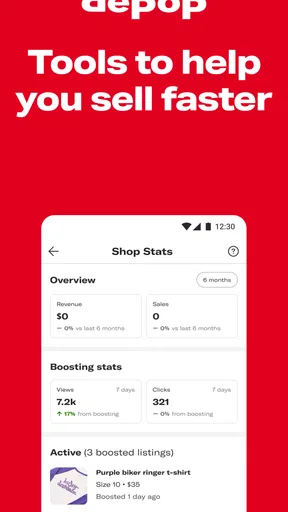

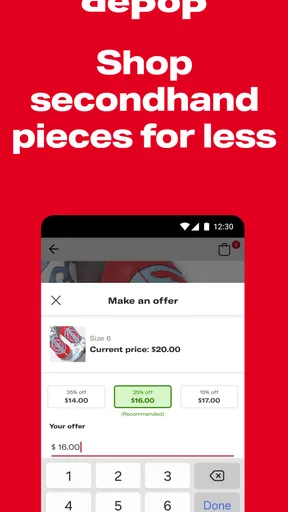
 Analysis by AppCompare
If you're like me and love finding unique fashion pieces without breaking the bank, then Depop - Buy & Sell Clothes might just become your new favorite app. I've spent a good amount of time digging into its features, and here's the lowdown. As a shopping app developed by Depop, it makes the most sense when I arrive with a clear idea—perhaps a jacket in a particular style, or a few pieces I no longer wear—and follow that idea all the way through browsing, buying, or listing.
For a realistic example, imagine I want a distinctive jacket for everyday wear but would rather look beyond standard retail. I can search for the style I have in mind, compare listings, and contact a seller if the photos or description leave a practical question unanswered. That is a more useful way to browse than treating the feed as an endless scroll: I have a purpose, and I can stop when I find something that actually fits it.
Discovering Fashion Gems
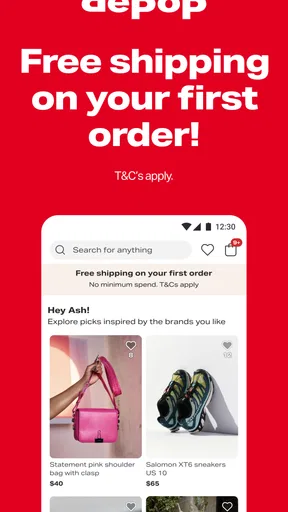
First off, let's talk about the user experience because, honestly, that's where Depop shines. From the moment you open the app, you’re greeted with a sleek, intuitive interface that feels like a mix between Instagram and eBay. It's designed to keep you scrolling, which is both a blessing and a curse. You can easily search for specific items or simply browse through the endless feed of clothes, shoes, and accessories. The platform offers a variety of styles, from vintage finds to the latest streetwear trends.
That browsing style is especially useful when I know the shape or mood I want, but not the exact item. I can explore different sellers’ selections and discover pieces I would not have thought to search for by name. The trade-off is that a visually appealing feed can make casual browsing expand into a long session. I get more from it when I set a small goal—one item, one type of clothing, or a short list—rather than expecting the app to decide what I need.
One of the coolest features is how easy it is to connect with sellers. Each seller has their own profile, complete with a bio, ratings, and reviews. It's like having a personal stylist at your fingertips. You can message sellers directly to ask questions about sizing or materials, making the buying process feel personal and customized.
I would use that conversation step before buying something where fit or condition matters: ask for a measurement that is relevant to me, or clarify a detail I cannot judge from the listing photos. I would also look at the seller’s profile and reviews as context rather than treating them as a guarantee. Secondhand clothing varies from item to item, so a quick message can resolve uncertainty, but it cannot replace my own judgement about whether the available details are enough.
Buying and Selling Made Simple
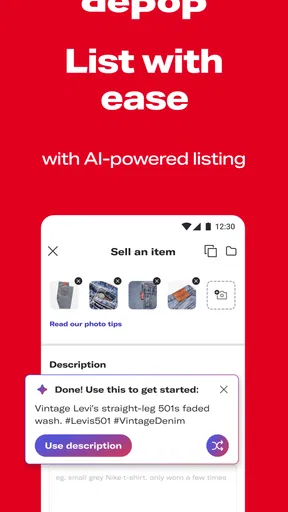
Jumping into the buying and selling process, it couldn't be more straightforward. As a buyer, you can purchase items directly through the app with just a few taps. The payment process is secured, which gives you peace of mind. And if you’re on the selling side, listing items is a breeze. You just snap a few photos, write a description, set your price, and you're good to go. The app even suggests pricing based on similar sales, which is super handy if you're unsure how much to charge.
Worth Reading Before You Choose

EA SPORTS FC Mobile 26 Is a Bigger Football Game, but It Takes Time

Flipboard Shows What News Apps Must Do Beyond the Feed

Switching to Android Auto Means Rethinking Your Driving Routine

Google Calendar Makes a Crowded Week Easier to Manage

Ludo King Makes the Most of the Minutes Between Plans

Baby Panda World Brings Quick Play to Modern Phones, but Its Game Library Feels Busy
For a seller, I would treat the photos and description as the handoff between my closet and a stranger’s decision. Clear images and useful details help a potential buyer judge the item without seeing it in person. I would mention the aspects I would want to know as a buyer, especially fit and visible wear, and take time to choose a price rather than relying on a suggested comparison alone. Similar sales can offer a starting point, but the particular condition and appeal of my item still matter.
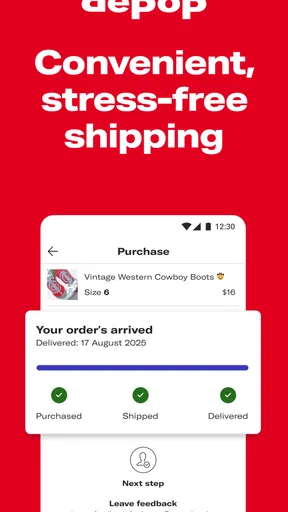
Once a buyer decides, the process moves from browsing into a transaction, and then the item has to make the journey from seller to buyer. That handoff is where expectations matter: I would check the listing carefully, keep relevant questions and communication in the app, and allow for the fact that a pre-owned garment may not feel exactly like a new one. If I am selling, I would make sure the description gives the next person a fair picture before the purchase, instead of assuming that a few attractive photos explain everything.
Depop is free to download, and its 4.7 average rating from around 116,000 ratings reflects a large audience for this kind of fashion marketplace. It has over 10 million installs, is rated Teen, and version 2.393 requires Android 10 or later. Those details make it easy to see that it is an established option, but they do not change the everyday question I would ask myself: do I want a marketplace centred on individual clothing finds, or do I need the predictable sizing and straightforward stock of a conventional retailer?
What I really appreciate is the community feel of Depop. It’s more than just a marketplace; it’s a space where fashion lovers come together to share their style. You can follow sellers whose style you love, like items to save them for later, and even see what’s trending within the app. It creates this vibrant fashion community that keeps you coming back for more.
Following sellers can make repeat browsing more focused: instead of starting from scratch every time, I can keep an eye on shops whose taste already suits mine. Liking an item is also a handy way to pause before deciding, especially if I want to compare it with another find. The downside is that a saved collection can become a pile of tempting possibilities. I try to use likes as a shortlist, then revisit them with a practical question in mind—will I wear it, does the listing answer what I need to know, and is it a better fit than the alternatives?
Staying Safe and Secure
Now, let's talk safety. Because I know buying and selling online can sometimes feel a bit sketchy. Depop takes security seriously, offering buyer protection on sales, meaning you’re covered if something goes wrong with your purchase. They also have a dedicated support team ready to assist you with any issues. Plus, with ratings and reviews on each seller, you can make informed decisions about who to buy from.
I still think of protection as a backup, not a reason to skip ordinary care. Before committing, I would read the listing closely, review the seller’s profile, and make sure the item and its condition match what I actually want. If a detail is important to my decision, asking before purchase is easier than trying to resolve a mismatch afterwards. That is particularly true for a one-off vintage piece: there may not be another identical listing to fall back on.
Another neat feature is the ability to link your PayPal account for transactions. This not only speeds up the buying process but also adds an extra layer of security. It’s comforting to know that your financial details are kept safe while you shop.
For someone clearing out a wardrobe, the app offers a different kind of workflow from simply donating or passing clothes to friends: I can photograph a piece, describe it, set a price, and wait for a buyer who wants that particular style. That takes more effort than dropping clothing off somewhere, because I need to prepare a listing and handle the sale. I would choose this route for distinctive items I can describe well, rather than expecting every ordinary basic to attract the same interest.
Compared with broad resale marketplaces, Depop’s fashion-first browsing and seller profiles make it feel more like searching through individual wardrobes than scanning a general catalogue. A conventional clothing retailer is usually the easier choice when I need a standard item quickly, want consistent sizing, or prefer buying new stock. A local secondhand shop may be better when I want to inspect fabric and fit in person. Depop’s strength is the possibility of finding a particular look through independent listings; the cost of that flexibility is needing patience and careful judgement.
Finding the Right Fit for Your Routine
I think the app suits people who enjoy secondhand fashion, vintage hunting, and browsing independent sellers, especially if they are comfortable checking details before buying. It can also work well for a seller who has a few interesting pieces and is willing to take photos and write clear descriptions. If I were shopping for an exact fit, a uniform item, or something I needed immediately, I would probably start with a retailer or a local shop instead. Those options make the decision more predictable and avoid the uncertainty that comes with individual listings.
A useful habit is to separate the discovery stage from the buying decision. I can browse for inspiration, save a few possibilities, then return to compare the actual listings rather than purchasing the first item that catches my eye. For sellers, the equivalent is to prepare the item and its description before posting, so questions can be answered consistently. These small steps do not remove the variability of secondhand shopping, but they make the handoffs between finding, assessing, and purchasing feel more deliberate.
Final Thoughts
So, is Depop - Buy & Sell Clothes worth downloading? In my book, absolutely. Whether you’re looking to declutter your closet or searching for that one-of-a-kind piece, this app makes it easy and fun. The combination of a user-friendly interface, a supportive community, and secure transactions makes it stand out in the crowded marketplace app scene.
I would recommend it most to someone who sees clothing as something worth hunting for, not just replacing. The best experience comes when I have enough time to compare listings and ask sensible questions. If I want instant certainty, a standard store is a better match; if I enjoy the search and value the chance of finding an unusual piece, Depop gives me a reason to look beyond the usual options.
If you’re ready to dive into a world of fashion without the hefty price tags, give Depop a try. It might just change the way you think about secondhand shopping. Happy hunting!
Pros
- Easy-to-use interface for quick navigation.
- Large community for diverse fashion finds.
- Secure payment system ensures safe transactions.
- Customizable profiles for personal branding.
- Regular updates enhance app stability.
Cons
- Limited customer service response time.
- Occasional issues with payment processing.
- High competition among sellers for visibility.
- Some items can be overpriced.
- Shipping costs vary
- affecting final price.
FAQs for Depop - Buy & Sell Clothes
What is Depop and how does it work?
Depop is a mobile app designed for buying and selling clothes, accessories, and unique items. Users can set up their own shops, list items with photos and descriptions, and set prices. The app functions like a social network, allowing users to follow each other, like items, and make transactions directly through the app.
Is Depop safe to use for transactions?
Depop offers a secure platform for transactions, utilizing PayPal for payments to ensure buyer and seller protection. It's important for users to follow Depop's guidelines and policies to enhance safety. Reviewing seller ratings and feedback can also provide added security when making purchases.
Are there fees associated with selling on Depop?
Yes, Depop charges a 10% fee on the total transaction cost, including shipping. This fee is deducted automatically from the seller's PayPal account once a sale is completed. Additionally, PayPal may charge its own transaction fees, so it's important for sellers to price items accordingly.
Can I use Depop internationally?
Depop is available for international use, allowing users to buy and sell to and from different countries. However, it's important to consider additional costs such as international shipping fees and potential customs charges. Users should also check if Depop is available in their specific country prior to signing up.
What should I do if I encounter an issue with a transaction on Depop?
If you experience a problem with a transaction, such as not receiving an item or receiving something not as described, you should first contact the seller to resolve the issue. If that doesn't work, use Depop's in-app support or PayPal's resolution center to escalate the matter and seek a refund or other solutions.


